|
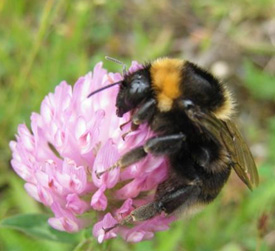
Queen B. subterraneus - Nikki
Gammans
Progress
Report 2013
The 2011 Project Report is
available for
download here |
Once widespread across the south of England, the short-haired bumblebee,
Bombus subterraneus, was in decline through the second half of the twentieth
century. The last English bee was seen in 1988 near to Dungeness, Kent and
the species was officially declared extinct in the UK in 2000. The
short-haired bumblebee project involves Hymettus working in partnership with
Natural England, RSPB and Bumblebee Conservation Trust with the aim of
reintroducing Bombus subterraneus back to the UK. The project also aims to
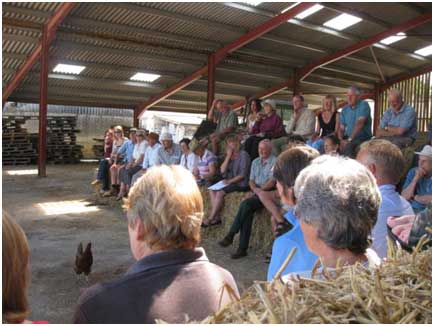
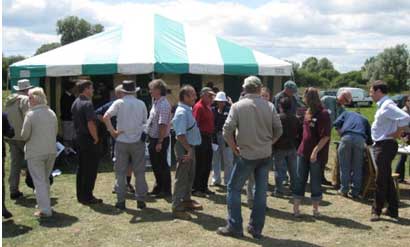
engage the public in bumblebee conservation more generally.
A successful reintroduction is dependent on the availability of a large area
of suitable habitat with plenty of nesting and hibernating sites as well as
a rich supply of flowering plants throughout spring and summer to provide
pollen and nectar. By working closely with farmers, conservation groups,
small holders and other land owners the project and its advisers has
created, advised and assisted in the management of over 550 hectares of
flower rich habitat within the release site of Dungeness and Romney Marsh.
The project originally intended to reintroduce the bumblebee from New
Zealand where it had been imported to pollinate clover crops over 120 years
ago. Problems with captive rearing of queen bees in New Zealand and the
discovery of high levels of inbreeding in the population, potentially
reducing the fitness of any reintroduced stock, caused the project partners
to look to Europe for a source of bees. Sweden was identified as a possible
source of stock for reintroduction as it is the only country with a strong
population of B. subterraneus within its native range. An initial visit in
2011 allowed the size of the Swedish population to be checked and bees to be
screened for disease. Queen bees were collected from Sweden in 2012 and
after further disease screening were released at Dungeness. Further batches
of queen bees were collected from Sweden and released at Dungeness in 2013
and 2014.
Volunteers monitoring the bumblebees in the project area observed worker
bees in 2013 and 2014. This indicated that the introduced queen bees had
laid eggs and raised at least their first brood of offspring. The next step
towards a successful reintroduction will be achieved when the volunteers
observe queen bees early in the season, queens that must have been raised by
a successful nest the previous year before (hopefully) mating and then
hibernating. Plans are being prepared for another batch of queen bees to be
imported from Sweden in 2015.
|
|
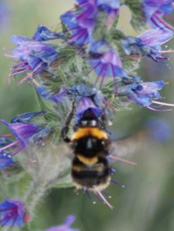
Worker B. subterraneus - Andy Tibbs |
For regular updates on the
short-haired bumblebee project visit the BBCT
Project
Page
RSPB
Project page
Natural England
Project page
To donate to the project please
click:
here and type
‘short-haired bumblebee project’ in the comment box when making your
donation:
|